 fr
fr


1. Why Take This Specialty Course?
Take a fresh look at the hidden life of tropical reefs. Behind the fish and corals lies a huge variety of fascinating organisms: cleaner shrimp, decorator crabs, mimic octopuses, cuttlefish, sea stars, and anemones. The SSI Marine Invertebrate Ecology specialty reveals how these species function and their crucial importance in the food chain. By learning to spot clues of their presence in crevices, sand, or cavities, you will turn every dive into a true biological treasure hunt.
- Understanding Major Phyla: Learn to distinguish cnidarians, mollusks, crustaceans, echinoderms, and annelids.
- Camouflage & Defense Abilities: Discover how cephalopods change color and how crustaceans seek shelter.
- Symbiosis & Cleaning: Observe unique partnerships (shrimp and anemones, hermit crabs and corals).
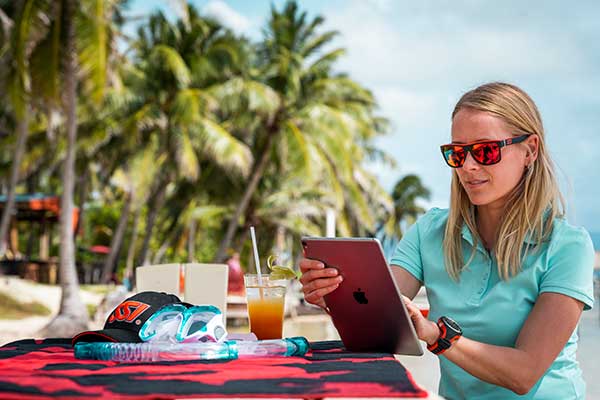
- Open to Everyone: Academic course accessible to scuba divers, freedivers, and snorkelers.
2. Course Curriculum (1 day in ocean or theory only)
The course combines interactive online learning on the MySSI app and a topic presentation at the center with your instructor (with an optional practical application during your ocean dives).
🔹 Key Topics Covered:
- Introduction to Marine Phyla: Anatomy, movement methods, and feeding systems of invertebrates.
- Focus on Cephalopods: The remarkable intelligence of octopuses, cuttlefish, and squid in the Andaman Sea.
- Koh Lanta Macro-Fauna: A close-up on iconic species of local sites (harlequin shrimp, porcelain crabs, mantis shrimp).
- Conservation & Ecological Role: The impact of reef health and water quality on invertebrate populations.
3. Prerequisites
No diving prerequisites required (also accessible to non-divers, freedivers, and snorkelers).
- Minimum Age: 10 years old for divers and 6 years old for non-divers.
4. Your International Certification
At the end of the course, you will earn your SSI Marine Invertebrate Ecology Specialty Certification.
- Recognized worldwide.
- Counts toward your Master Scuba Diver rating and can count as one of the 5 adventure dives for your SSI Advanced Open Water Diver certification (when combined with ocean dives).
5. Frequently Asked Questions (FAQ)
Do I need to scuba dive or snorkel for this specialty?
No, it is not mandatory! The Marine Invertebrates ecology specialty can be completed entirely as a 100% dry course.
If you are a non-diver or prefer to stay out of the water, you can earn your certification by completing the interactive classroom or online sessions.
However, if you are a diver or snorkeler, adding in-water sessions is highly recommended: it’s the perfect opportunity to apply your new knowledge on the reef and practice identifying mollusks, crustaceans, and echinoderms in their natural habitat!
Is this course suitable if I enjoy macro photography?
Absolutely! Invertebrates make up the vast majority of underwater macro photography subjects. This course provides you with the knowledge to know where to find them and understand their behavior.
Do we often see cephalopods in Koh Lanta?
Yes! Cuttlefish and octopuses are regularly spotted on the reefs of Koh Haa and Koh Bida, especially around rocky and coral areas.